Energetics of Pregnancy and Herbal Support Training for Birth Practitioners

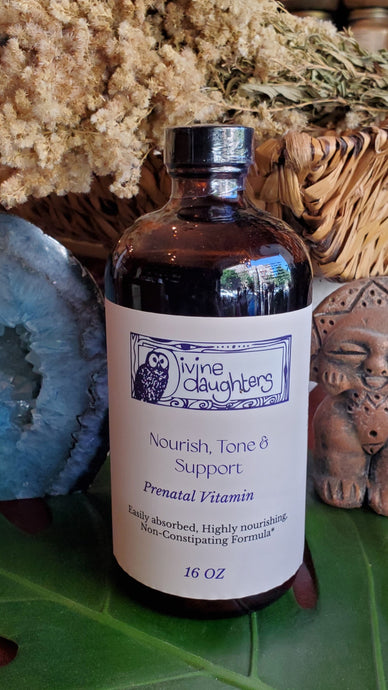
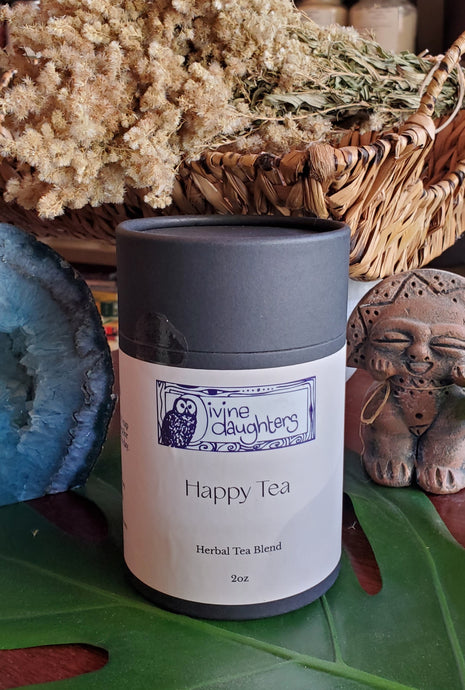
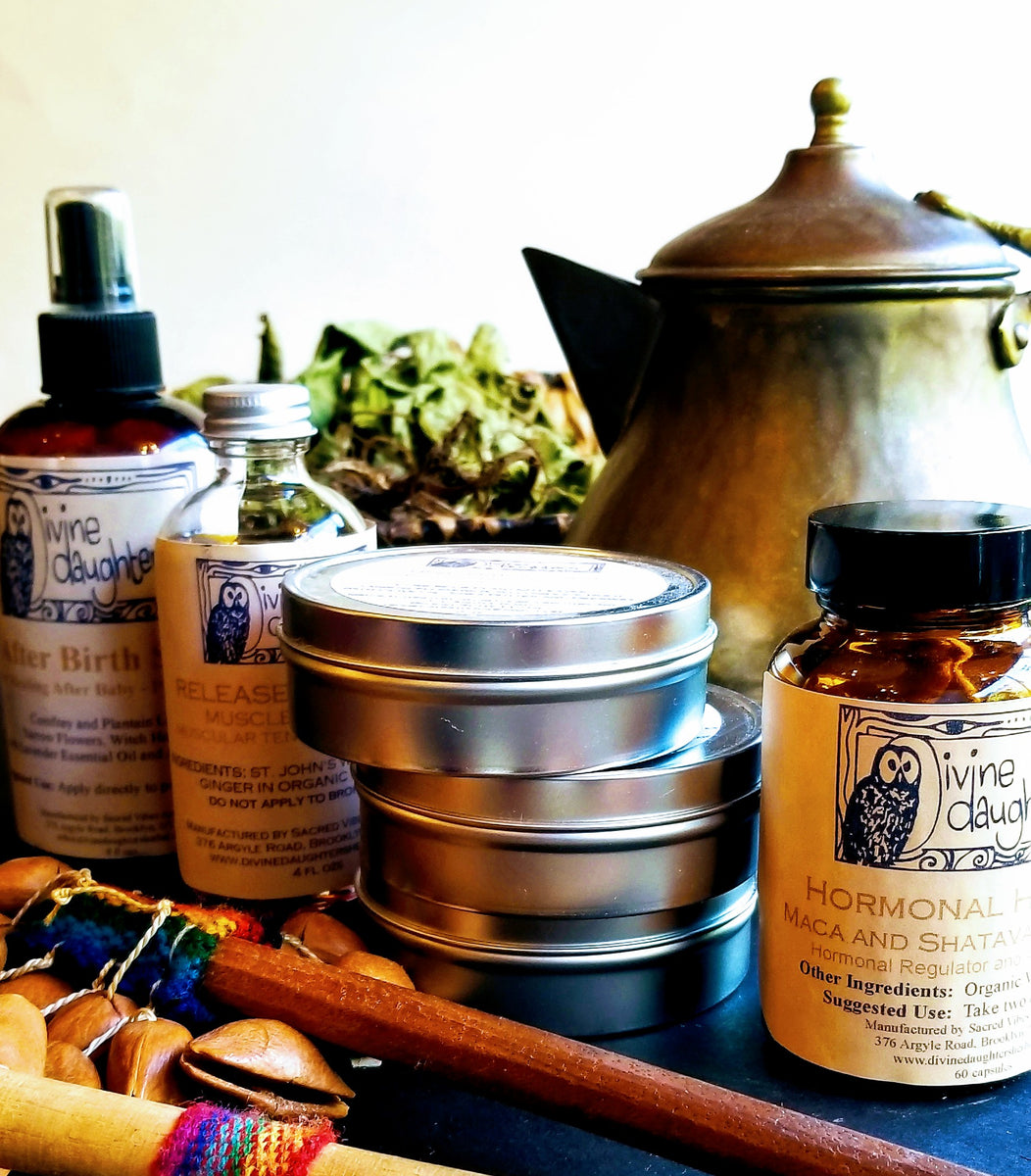
Please join us for this 4 week evening course as we explore the energetics of pregnancy through postpartum, and how to utilize herbs to support and nourish the cyclical nature of motherhood. This course will be facilitated by Master Herbalist Karen Rose and Birth Doulas Chloe Campbell and Jessi Bonilla. We will be creating a space for birth practitioners to circle together and gain herbal wisdom, learn the skill of herbal medicine making through hands-on experience, be introduced to the Divine Daughters product line, and rediscover the essential principles of self-care.

Wednesday, April 11th, 18th, 25th and May 2nd

6:30pm – 8:30pm

Sacred Vibes Apothecary

376 Argyle Rd, Brooklyn

718-284-2890

Space is limited; registration is on a first come first serve basis.

The total investment for this course is $350, materials are included.

A deposit of $100 is required to hold your space.

Posted in Uncategorized | Tagged , , , , , , , , , , , | Leave a comment

Induction in the City III: Bring it on!

Image

Some events in the process of birth bring us to the point at which it is important for labor to begin promptly. In 1 in 10 births waters break before the onset of contractions. When that happens mamas are given 12 – 24 hours for contractions to pick up, before hospital based care providers want to induce. In the homebirth community early rupture of membranes is treated differently from case to case. After 24 hours it’s hospital policy in New York State to induce labor because the risk of infection increases if the baby is not born, or at least on its way by that point. This timeframe, or the days leading into a scheduled induction is often one of the most challenging periods in pregnancy. Below is a collection of ideas of how to promote the natural onset of labor in a restricted timeframe.

Restore your energy

Facing the prospect of induction within 24 – 48 hrs heightens our levels of adrenaline. This excitement is not conducive to inviting the onset of labor. Letting go of tension and anxiety may not be an easy process but it is an important one. Retreating into a massage or an acupuncture session could be a good starting place. Or creating space for yourself to acknowledge the moment you are in and how it feels. Processing with a friend or being in your bedroom by yourself and letting go issues one by one and inviting positive outcomes into your circumstance. Resting, take naps sleep as late as you can, take a personal day and make it about catching up on sleep. If your body has an opportunity to rest it may take that chance to prime the uterus for birth and move things forward naturally. It may seem like the most simple thing and is easily overlooked because of that, but sometimes rest can be pivotal in making physical progress towards birth.

 Nourish your body

Stay well hydrated. The importance of water in the last few weeks of pregnancy cannot be overestimated. Water keeps amniotic fluids high and the muscles in the uterus well lubricated! Being dehydrated can actually intensify the sensation of braxton hicks and early labor contractions because there is less water in the space between the muscles and they press together which is more uncomfortable. Also eat regularly and well.

 Have sex… or have an orgasm…or both!

Oxytocin which is released in your body when you orgasm is also the hormone that stimulates contractions. Increasing the oxytocin can help the uterus along as it prepares to birth your baby. Also prostaglandins, the hormones that are part of semen, soften the cervix and help it to ripen for birth. Sex is a really effective way to take steps closer to giving birth. If your waters have already broken and you are waiting for labor to start, sex is not recommended. Nothing should be inserted in the vagina one the waters have broken to minimize the possibility of infection

 Nipple stimulation

Stimulating nipples also produces the ‘love hormone’ oxytocin which stimulates contractions and supports the uterus’s efforts to prepare for birth. Rolling your nipple between your thumb and fore finger and pulling them is effective stimulation. This action is similar to expressing breastmilk and you might actually notice some colostrum.

Long walks, low lunges, stairs

Over – exerting yourself is not the objective with these exercises. The rocking motion of walking encourages baby’s head to sink lower in the pelvis and press on the cervix supporting its effort to soften, efface and open. Low lunges or lunges on sets of stairs have a similar action and purpose. There is no need to do a series of 50 low lunges, anytime you happen to be passing by stairs take the opportunity to include a couple of these stretches. When faced with the prospect of imminent induction, many mamas feel compelled to ‘do something’ to start labor and consequently become physically and emotionally exhausted. It is very rare that people walk themselves into active labor, and much more common to see mamas rest and release into labor. Long walks are helpful but be generous about your limitations. Birthing a baby is not an appealing step for an exhausted body… if active labor is going to be underway in the near future, a full battery will best facilitate progress whereas exhaustion will slow progress and diminish confidence.

Acupuncture/Acupressure

There are techniques within acupuncture/acupressure which can help stimulate contractions. Mamas who go to acupuncture regularly often notice that their bodies are more receptive to these treatments because they are already tuned into the technique. Although going to an acupuncturist can be helpful to anyone who needs labor to start as soon as possible. It is a beautiful combination of stimulating and restful which helps the body relax and release whilst promoting the flow of energy

 Visualization and meditation

The power of positive thought and the mind can really help to open doors to the natural onset of labor. In your visualization try not to ‘direct’ or give orders to your body and baby. Use the act of visualization as an opportunity to tune into your emotional being and allowing issues to be released from your mind. Be honest with yourself, even if the truth isn’t pretty! Just allow it to be. Visualizing your uterus contracting, build upon the sensation of Braxton hicks to see if they will develop. Peacefully and openly ask yourself if there is anything blocking you from accepting the arrival of your baby. Human beings are complex, we can feel two conflicting ways at the same time. It’s possible to feel excited and fully in love with the prospect of motherhood, and sadness about the autonomy you are leaving behind… to share just one example of the emotional complexities women encounter on their way to motherhood. There is no need to solve this problem in the moment, just acknowledging and releasing it from your mind can move the process of birth along.

Castor oil/Enema

Stimulating the colon to contract with castor oil or an enema can have the knock on effect of stimulating contractions in the uterus. Taking castor oil or using an enema also empties your bowels so be prepared! Be close to a restroom and have lots of toilet paper. If you have time to take a nap or get a full nights sleep before taking castor oil that’s ideal. Ask your care provider what dose of castor oil they recommend and to see if this is something they are comfortable with using in their practice. Enemas are a little less aggressive than castor oil, they empty your bowels in a shorter time frame. The bowel movements you experience with castor oil are similar to that of the runs!! Choose carefully!

Herbs for induction

Blue and black cohosh can be used to strengthen contractions that are already present. Blue cohosh is oxytocic. It is used in tandem with black cohosh which helps to relax the muscles of the uterus. Releasing muscular tension makes the uterus more receptive to contractions, thus promoting progress in labor. If you are considering using medicinal herbs to initiate/strengthen labor it is important to consult with your care provider and an experienced herbalist. Your care provider needs to be experienced and comfortable with employing herbs to augment labor, and it is important for them to know what you are taking internally so they can factor that into your care. For dosage information consult an herbalist. Preferably in person and not online!

Time

Once all the possibilities are exhausted if labor still isn’t active, maybe body and baby just aren’t ready to take that step. Going back on natures clock, if this is an option could be what is truly needed for birth to get going. Scroll down to the end of our first induction article (this is the third) for ideas of questions to ask your care provider.  Getting good information about whether induction is necessary can deepen your insight into what is right for you and your baby.

Posted in Uncategorized | Leave a comment

Induction in the City II – Babies in waiting…

As pregnancy comes to an end and our bodies ready themselves for childbirth, our unborn babies impart some of our first parenting lessons to us. The transition from pregnancy to motherhood is emotional and physical. Whilst we are waiting for our babies to arrive, our bodies are training for a marathon. I don’t believe there is such a thing as “false labor”. The series of contractions that kept you awake 2 nights ago was not a false start it was at the very least a work out and at best lead to a bit of effacement and possibly some dilation. No one would attempt to run a marathon without training, labor doesn’t begin until our bodies are ready to go. I often wonder if the process of induction can be so long when it begins prematurely is a result of the uterus not having time to tone and strengthen before labor is initiated. Trusting that going beyond your due date is part of your natural progression to birth can really help put the wait into perspective. Nature works within a different time frame than the clocks and calendars. Your baby has no idea what date it is, and your body isn’t counting the minutes between each contraction. Internally your body and your baby are simply doing what needs to be done next to facilitate birth. I find the image of a tree blossoming in the first weeks of spring really useful to illustrate nature’s time. Cherry blossoms don’t bloom on the exact same date each year, it depends on what the weather has brought that season. You couldn’t sit with a clock and calendar beneath a tree and will it into blossoming, but you could nurture it and trust that it will blossom when it everything is in place and it is ready to go. Childbirth is a massive physical transformation that happens over weeks.

It’s so reassuring to find confidence for your process within yourself, although it can be a challenge to maintain that outlook in the final weeks of pregnancy. Understanding and trust in this process allows us to appreciate the ongoing transformation and nurture it. Think of the pace of your life and how you are spending your time in your 9th month. It’s so tempting and inviting to try and get ahead of yourself at work to maximize the time you have to spend with your new baby. Creating opportunities to rest when you feel tired, or slow down and put your feet up for an hour can be so valuable in these last few weeks. Here are a few other self care ideas to help your body work through the transformation to birth in it’s own time:

Divine Daughters ‘Final Countdown’ tea

Our ‘Final Countdown tea’ was formulated with the 9th month of pregnancy in mind. We included Squawvine, or Partridge berry which is a herb that has been used traditionally by North East native Americans to strengthen the uterus for birth. We blended it with supreme uterine tonic red raspberry leaf tea and cramp bark along with wild yam to ease the tension that sometimes comes along with Braxton hicks contractions in the final weeks of pregnancy to support efforts to rest. 1 cup a day from week 36 onward offers supreme herbal support for your body and it’s process.

Acupuncture

Works on the principal of opening the channels of energy or ‘chi’ within our body. If these channels are open it allows our bodies to move forward with there process unhindered by latent energy. A lot of moms turn to acupuncture when faced with the prospect of induction around week 41… but it is most effective when you go for a couple of sessions in the weeks leading up to birth as it is a priming technique and not an induction technique.

Evening primrose oil

1500mg of evening primrose oil each day from week 36 onward can help the cervix to soften and efface as it is rich in prostaglandins.

Chiropractic adjustment

Achey backs/pelvises can be an indication of misalignment. Also long periods of prodromal labor (strong non progressing contractions) can be an indication that something skeletal is out of alignment. Going for an adjustment with a practitioner who is experienced in working with pregnant women can make the world of difference to your comfort level and your process.

Pre-natal yoga

Prenatal yoga offers the opportunity to broaden your awareness and understanding of your anatomy and your baby’s position whilst helping you build physical and emotional strength.

Creating time for self care and space for your body and mind to ready themselves for birth can make the last month of pregnancy a beautiful growing experience.

Posted in Uncategorized | Leave a comment

Induction and the city

In the birth community in New York City, we frequently find ourselves addressing the issue of induction of labor. Our expectant mamas are caught up in the fast pace of this city from week 1 of their pregnancy. Culturally New Yorkers are so used to obtaining things instantaneously. We have access to the world at our fingertips, there is little wonder then that even the most patient mamas amongst us reach 40 weeks and 1 day of her pregnancy and start to question if and when her baby will ever make an appearance. Care providers’ schedule inductions, mother-in-laws and the co-worker (who had a 40hr labor followed by a c-section) start probing… and before we know it we are loosing sleep, growing anxious and having the doors of the birth center closed in our faces. Patience is certainly not a virtue of our town…

The 40 week due date that our obstetricians are all obsessed with (by the way in France the due date is actually considered to be week 41), is actually an arbitrary date that became established in the 1800s by Franz Naegele a German obstetrician. Naegele’s rule takes the first day of mom’s last menstrual period, adds a year, subtracts 3 months then adds a week to establish due date: e.g. June 10th 2011 last menstrual period = June 10th 2012 – 3 months: March 10th 2012 + 1 week: March 17th (Happy St Patrick’s day!). It works under the assumption that a full term gestational period is 280 days. There is no full proof accurate way of pinpointing the day or week when our babies are ready to be born. Each pregnancy has unique nuances that affect how long our babies stay in our bellies. On our 40th birthday we are not in the same place in our lives as all our 40 year old friends, and on the 40th week of gestation it can’t be assumed that our bodies and babies are all at the same point in the cycle of pregnancy.

Being ‘overdue’ or ‘postdated’ in pregnancy is a term that is only relative to going beyond 42 weeks. Not 40 weeks, not 41 weeks and 5 days, but above and beyond 42 weeks. Our care providers carry the concern that beyond 42 weeks the placenta has the potential to deteriorate and therefore loose the ability to successfully support the baby we are carrying. Also, when we enter into a longer than average period of gestation, we enter into a bracket of statistically higher risks. Sometimes the gestational period is extended by a complication within our pregnancy (the majority of the time longer pregnancies are well within the range of normal, particularly if there is a history of long pregnancies within a family). This is why some care providers feel that it is important to closely monitor our progress with technology and also the physical observations and instincts that we notice ourselves. Not all care providers believe in close monitoring, some believe that inducing labor is a means to a better outcome. They think that avoiding the later stages of gestation avoids complications that are associated with pregnancies that last longer. This approach assumes that longer gestation causes complications as opposed to longer gestation being the result of complications. The majority of times the onset of labor later in pregnancy is just our body and our babies working at a pace that is right for us. And in fact ACOG (American Congress of Obstetrician and Gynecologists) recognize this in the publication Rising Rates of Labor Induction: Present Concerns and Future Strategies:

‘In the otherwise uncomplicated post-term pregnancy there is little difference in the perinatal [infant mortality] outcome with expectant management compared with immediate induction’ (ACOG: July 2002, Vol 100, No. 1 pg 164 -167)

In other words, induction in a healthy pregnancy, even a healthy pregnancy that is post-term (beyond 42 weeks) doesn’t change the odds of whether or not your baby be born alive. However induction will profoundly impact your experience of birth.

‘Inducing labor is intrinsically ironic. It works best when least needed and often fails when it is needed most. It also causes the very problems it was intended to prevent’. (Goer: 1999; p49)

This marvelously articulate note from Henci Goer really sums up a huge problem within the induction epidemic. No matter how much you want labor to begin there is no magic formula to kick start the onset of labor. If drugs are administered to start labor and the baby is born within hours, it is most likely that the body was primed for the onset of labor and it would have begun promptly in its own time. But if the body is not ready to give birth it is tremendously difficult to induce labor and it is in this variety of induction that care providers roll through a cascade of procedures and interventions, catapulting their mamas toward C-section. Lets revisit the Naegele rule. Gestation is measured from the date of the first day of your last period. But what if you didn’t ovulate until 4 or 5 or 6 weeks into your cycle, as opposed to the 2 weeks which is assumed on Naegele’s rule, your baby and placenta may be well within their range of normal gestation in your uterus, but appear to the medical establishment to be overdue. An induction in this case could lead to the premature birth of your baby.

Considering whether induction is the right step for you and your pregnancy it is important to read the signs of readiness that your body is giving you. The following table is called the bishop score. It is a pre-laboring scoring system that can be used to assess the odds of spontaneous delivery. It’s commonly used in assessing preterm labor but it is really helpful in understanding how effective an induction might be… or if labor is likely to start spontaneously. The highest possible score is 13 (and if you do score 13 you are probably already in labor!). If you score zero, and induction is being considered… it’s important to appreciate that your body still has a lot of physical transitions to work through before it is fully prepared to birth your baby, not to mention the toning and strengthening of the uterus, which can’t be rated on this scoreboard. ACOG describe any score above 8 to be ‘a very favorable cervix’.

The Bishop Score

Parameter/Score 0 1 2 3 Description
Position Posterior Intermediate Anterior - The position of the cervix varies between mamas. As the anatomical location of the vagina is actually facing, anterior and posterior locations relatively describe the upper and lower borders of the vagina. The anterior position is better aligned with the uterus, and therefore increases likelihood of spontaneous delivery
Consistency Firm Intermediate Soft - In first time moms the cervix is typically tougher and resistant to stretching, much like a balloon that has not previously inflated. Furthermore in young women the cervix is more resilient than in older women. With subsequent vaginal deliveries the cervix becomes less rigid and allows for easier dilation at term
Effacement 0-30% 31-50% 51-80% >80% Effacement is a measure of stretch already present in the cervix. It is analogous to stretching a rubber band, as the rubber band is stretched further, it becomes thinner. This is affected by individual variation and previous surgery
Dilation 0 cm 1-2cms 3-4cms >5cms Dilation is a measure of the diameter of the stretched cervix. It complements effacement, and is usually the most important indicator of progression through the first stage of labor
Fetal Station - 3 -2 -1, 0 +1, +2 Fetal station describes the position in of the fetus’ head in relation to the distance from the Ischia spines, which can be palpated deep inside the posterior vagine as bony protrusion. Negative numbers indicate that the head is further inside above the Ischia spines.

The bottom line of this information is not whether or not induction helps or hinders birth. It is whether you feel like induction is right for you and your baby. Your care provider might find indications for induction that you wholeheartedly agree with. Having a solid discussion with your care provider about this topic can help you move forward with confidence and understanding of the pros and cons of inducing, instead of getting swept along with the current. Here are a few questions that might help you get a feel for what the next step on your journey is:

  • We were never able to pinpoint the date of ovulation in my pregnancy because of my unpredictable menstrual cycle so how can we be certain that we aren’t inducing prematurely at week 41, especially since we are working with the earliest due date I was given.
  • In your opinion what are the medical risks of waiting till 42 weeks or beyond to induce? Statistically speaking what is the likelihood that I’ll experience any of those complications given the course of my pregnancy so far?
  • What do you consider to be a normal or safe volume of fluids? What are the levels that ACOG recommend inducing at? What other indications are there of a healthy baby and placenta at this stage in pregnancy?
  • If there are indications that everything is looking good with my pregnancy as of now, I would feel much more comfortable waiting until I reach 42 weeks, how would you feel about that?
  • One of my biggest concerns is that my body and my baby aren’t ready for the natural onset of labor. What if we begin this induction process and I fail to progress?
  • What medication do you use to induce? Are there any adverse side effects associated with those medications? – How many doses of cervadil to you administer?
  • How long do your inductions normally take? – If I spend over 24 hrs on pitocen and I’m 4 cms dilated what happens then?
  • Can I eat and drink when I’m admitted? At what point do I have to stop eating and drinking?
  • What if baby doesn’t like pitocen and shows signs of distress?
  • Do you feel that the risks of waiting until I reach 42 weeks to induce OUTWEIGH the risks of an induction? The risks I’m thinking of are: failure to progress, fetal distress from pitocen, not being able to eat and drink for extended period of time, c-section, baby being born earlier than ideal gestational period.
Posted in Uncategorized | Leave a comment

Be Group B Strep negative (GBS) – Herbal tips to avoid GBS


At week 36 all  pregnant mammas in the city are tested to see if GBS is present in the bacterial flora of the vagina. A positive diagnosis of GBS needs treatment to bring the risk of baby being exposed to potentially dangerous bacteria down to an absolute minimum. Treatment of this condition in pregnancy varies widely among care providers but it often involves being put on a

ntibiotics in whilst giving birth, and possibly arriving at the hospital earlier. Eating garlic around week 34 to week 36, in combination with eating pro-biotic rich foods is an excellent approach to preventing a GBS diagnosis. Garlic is a potent anti-bacterial herb and works really effectively to greatly reduce if not eliminate the presence of unwanted bacteria. Here is an herbal protocol for eating garlic to prevent GBS:

- Garlic must be raw. Cooking the garlic brings the medicinal action of the herb down to a bare minimum

- X 3 a day garlic, x 3 a day something rich in probiotic – yogurt, kimchi, fermented vegetables.

We would like to encourage you not to chow down on a raw clove by itself. This can create heartburn and nausea and even cause your colon to contract, which is not desirable before full term pregnancy. Here are some more enjoyable ways to make use of garlic:

  • Crush a clove into salad dressing
  • Crush a clove into a spoonful of honey
  • Melt some butter, remove from heat. Crush a clove into the butter then spread it on toast
  • Take caps of dehydrated raw garlic

We would love to hear back from you and how you have incorporated raw garlic into your diet, and of course how your GBS test goes. Combining this protocol with a little Echinacea is helps the process of eliminating unwanted bacteria by boosting the immune system.  One dropper-full of Echinacea tincture 1x a day is a good preventative measure.


Posted in Uncategorized | Leave a comment

Nurturing a positive understanding of birth

Preparing for birth involves and element of our imagination. It is not possible to predict how birth will unfold for the baby we are carrying. Although we can’t set in stone what we would like to happen on our journey, we can employ our imagination to build a positive feeling towards birth. A great, and widely available starting point for this is… youtube:

In our culture film and television can’t seem to resist the urge to make birth dramatic! Waters break in supermarket ailse, or in the midst of a confrontation with the mother-in-law… the list goes on! This video of a waterbirth from a birth center in Belgium sets is an inspirational and vivid contrast to what we see on day to day media. Accessibility to footage like this also gives us the opportunity to share what happens in birth with our older children. A mom who I worked with shared this approach with me. In the weeks leading up to her beautiful baby sisters birth, big sister (nearly 3 years old) elected to watch this waterbirth before she went to bed. I decided to see what would happen if I shared this footage with my 3 year old son to see what his thoughts were. He loved it more than Gene Kelly (he really, really loves Gene Kelly). He was really taken by the fact that he used to be in my tummy and then he was born. It was really pleasant to share this with him, although I’m not exactly sure how to explain how he got into my tummy, but I’m sure there will be a way for me to explain it to him if the question comes up!

There is more wonderful footage of real birth available to us that present this profound experience in a positive light. Orgasmic Birth and The Business of Being Born, are two fantastic and widely available documentaries. They are even available on Netflix! Ina May Gaskin’s book Spiritual Midwifery has a collection of birth stories that capture the joyful and challenging aspects of birth. Exposure to these presentations of birth can build confidence and self esteem in our own processes.

Posted in Uncategorized | Leave a comment

Let it flow…Complimentary and alterntive support for pain in pregnancy

In the process of developing the Divine Daughters line, we felt that it was important to include a tincture for relief from pain and discomfort in pregnancy. We hope that our formula will offer analgesic relief from whatever aches ails you, and that this relief will offer you space to consider the root of the problem. In herbalism pain is regarded as a symptom that follows something deeper. To alleviate the pain is to remove that condition. In the process of carrying our babies we encounter conditions that fall under the range of normal for a heavily pregnant body, static, swollen hands and feet, pelvic and lower back pain to name a few. It is certainly a colossal task to carry and nurture a growing baby, however at times we dismiss pain or discomfort as a necessary side effect of the work we are doing instead of reading it as a signal from our bodies that we need additional support and awareness. Talking to acupuncturist, chiropractors, cranio-sacral therapists, physical therapists, Alexander Technique professionals, or a masseuse can help us get to the source of our pain. Addressing the discomfort directly not only supports our efforts to be more physically comfortable and relaxed, but could potentially correct a skeletal or muscular issue that we may have to confront in labor. It can also support our baby’s efforts to find the optimal position for birth, and seeking the advice of healing practitioners can also help us identify unhealthy habits we don’t even realize we have. Creating the space in our lives to seek this support is a way of creating much needed time for ourselves. We envision our ‘Let it flow’ tincture as a compliment to this kind of therapy offering relief in the times between. It is an alternative to pharmaceutical pain killers and should not be used in conjunction with them.

Becoming aware of what our body is telling us is a valuable and joyful approach to maintaining a healthy balance that is constantly changing. If we notice things in our spiritual and physical system shifting away from balance, the potential exists to work through the issue and resolve it before it becomes acute. Traditional medicines are powerful in their ability to remove and prevent uncomfortable conditions; it is our job to tune into ourselves and know when and what support we need.

In herbalism we feel that the secret to the healing and restorative power of plants is that they are whole. They are not an isolated active ingredient which is designed to aggressively treat a symptom; they nurture our system as a whole. If the whole system is nurtured, it will find its own optimal balance. Plants offer us the opportunity to find this balance by supporting our growing physical and emotional capacities throughout pregnancy birth and beyond. There are of course herbs that are contraindicated in pregnancy. Some herbs have the potential to stimulate labor for example and should be avoided earlier in pregnancy, especially for women who have previously experienced problems in carrying a pregnancy to full term. However even these herbs don’t automatically ignite the onset of labor, sometimes they don’t work this way even if you want them to, e.g. at 41 weeks and 6 days! This is because herbs meet our body where it is and nudge it in a direction; they don’t demand action from us. They guide as opposed to dictate. It is up to us to set our own direction and step forward at our own pace, because our inner wisedom is nature’s most powerful medicine.

For information or to Buy Let it Flow-Tincture for Relief

Posted in Uncategorized | Leave a comment